

May is Mental Health Awareness Month, and as a trainer, this month always feels personal to me.
Not just because movement for improved mental health is consistently recommended, but because I’ve had my own mental health struggles. People often assume fitness professionals have everything figured out — motivation, confidence, energy, discipline. But we struggle, too. We battle anxiety. We experience depression. We even have days where simply getting out of bed feels heavier than any weight in the gym.
I’ve shared my mental health struggles over the years: on my blog, in my social posts, and in connecting with so many of you during postpartum anxiety and depression. I’ve been honest about my ongoing parenting struggles, I’m an ADHD mom running a business, I have anxiety living in the world of social media, and it’s exhausting trying to keep up with the ever-changing landscape of fitness and nutrition.
There are seasons in my life where anxiety has consumed my thoughts and drained my energy. Even as someone who understands movement and exercise professionally, I’ve been physically and emotionally disconnected at times. In fact, there are days I still struggle, and days when I feel I should be “over it” now that my kids are older, or because I’ve spent time and money figuring out what actually works. But I’m still taking it day by day, doing what I can to care for my mental health as much as my physical health.
Of course, they’re intertwined.
And of all the things I have done and continue to do, from therapy to medication to leaning on my village to self-care to taking breaks, the one thing that makes the biggest difference for me is – you guessed it– movement.
I know it sounds cliché coming from a trainer. And I acknowledge that I have tremendous privilege and a unique perspective on this topic because fitness is my actual job. But to me, that makes me realize even more what an impact consistent movement has on my life. On days I don’t want to work out, but have to teach a class or film a workout for my business, the benefits of fitness become the most clear. I go into the workout feeling angry, sad, anxious, or just on edge, and then leave feeling better than when I started.
To be clear: exercise is not a replacement for therapy, medication, or professional mental health support. Those are crucial for so many of us, myself included, and I highly encourage you to seek out professional support when and how you can. But for me, movement has become one of the most powerful tools in my mental health toolbox.
On my hardest days, exercise gives me:
- Structure when my mind feels chaotic
- A healthy outlet for stress and anxiety (and yes, I’ll say it, RAGE)
- A break from spiraling thoughts
- A reminder that I am capable of showing up for myself
- A sense of accomplishment when everything else feels overwhelming
And honestly? Every version counts.
One of the biggest misconceptions about fitness is that it has to be intense to matter. But mental health-focused movement is different. It’s less about burning calories or hitting strength goals, and more about reconnecting with your body and nervous system.
The Science Behind Movement and Mental Health
What many of you and I have experienced personally is also strongly supported by research.
According to the Mayo Clinic, regular exercise can help reduce symptoms of both anxiety and depression by releasing endorphins, reducing stress, improving sleep, and interrupting negative thought patterns.
Research published in BMC Public Health found that exercise interventions show meaningful benefits in preventing and reducing depression symptoms across different populations.
A large meta-analysis published through PubMed Central (PMC) concluded that aerobic exercise, resistance training, and combined training all significantly improved symptoms of depression and anxiety.
Additional research published in PubMed found that combining exercise with behavioral therapy may further improve mental health outcomes.
More recent reporting on emerging research has even suggested that aerobic exercise may serve as a “frontline treatment” for mild depression, especially when done consistently and in community settings.
Why Movement Helps Mentally — Not Just Physically
There’s a biological reason movement can feel so powerful.
Exercise can help:
- Increase endorphins and serotonin
- Reduce cortisol and stress levels
- Improve sleep quality
- Regulate the nervous system
- Increase confidence and self-efficacy
- Create routine and stability
- Encourage social connection
- Improve brain health and cognitive function
But beyond science, movement creates something deeper:
Presence.
When anxiety pulls us into the future with spiraling thoughts, or depression traps us in feeling low, movement can reconnect us to the current moment. To our breath. To our own heartbeat. To feel strong and empowered. To ourselves.
What type of exercise helps the most?
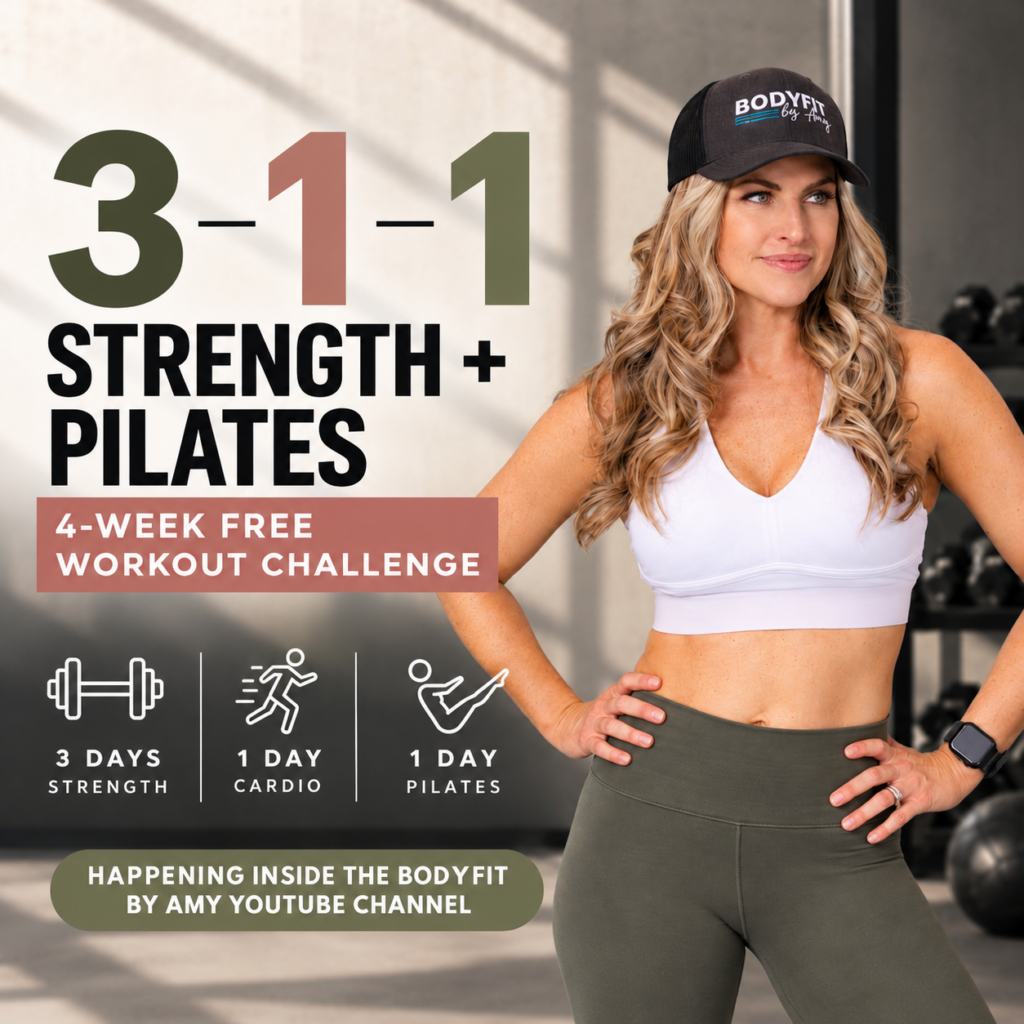
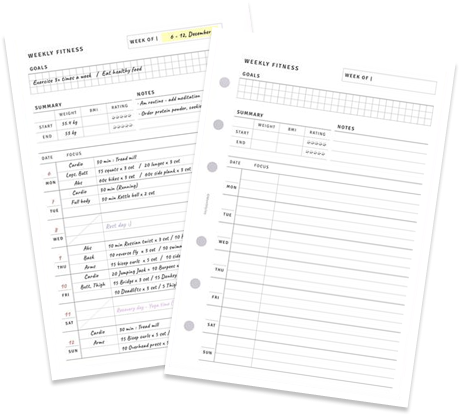
Well, that’s the beauty of it. It doesn’t really matter how you move, just that you move. For me, it definitely looks different day to day. I try to follow a schedule (that I share with all of you!), but some days I’m able to push harder. And some days I don’t feel as strong or as energized, and I allow myself to be where I am today. That’s truly where my “Be you are today” philosophy originates from. It’s the showing up that matters, and the self-compassion and grace we give ourselves that matters even more.
Mental Health Awareness Month Reminder
This Mental Health Awareness Month, I encourage everyone to shift the conversation around fitness.
Movement is not just about aesthetics.
It’s not just about weight loss.
It’s not just about discipline.
It’s not about pushing as hard as you can as often as you can.
Movement can be medicine.
Movement can be grounding.
Movement can be connection.
Movement can be exactly what you need for where you are today.
For me, exercise became one of the ways I slowly found my way back to myself. In the hardest seasons, on the hardest days, movement is one thing I always have for me.
And if you’re struggling right now, maybe movement can help you reconnect with yourself too — one step, one lift, one breath, and one day at a time.

Leave a comment
Thanks for sharing Amy. Two social media experts that have helped me is Christianpsychnp and Dr. Lee Warren. You can check them out on Instagram or Substack. Both are doctors and experts on the mind. God Bless you Amy.
Amy,
You already are role model, but sharing your personal journey takes courage and reminds us that your message “yes you can” goes way beyond workouts. Thank you for inspiring all of us to “show up and be where we are today in all aspects of our lives. Been on board since you first started online and respect you as a professional, wife and mother and today’s honesty kicked you into a whole new category..a true inspiration in and out of your gym. You elevated “yes you can” to an entirely different level, a lifestyle mantra. Thank you for simply being you. Best, Jane Este
Hi Amy,
I have seen following you since 2016. I am a mental health professional, full time caregiver to my partner with Parkinson’s, and I work for myself from home. I have struggled with anxiety and depression most of my life. Exercise has always been my primary source of treatment although there have been some years when I just could run far enough. So I added therapy and some medication .
I appreciate your programming because it is structured, effective , and your personality on screen is positive and motivating.
Thank you for your help .
Thank You sharing…I have been doing your work outs for some time.
Always felt a connection to you…
Thank you for sharing Amy. You are removing the stigmatization by putting into words what so many of us feel but are too afraid to voice.
Thank you for your honesty, Amy. You are a wonderful role model and a support to so many people. You inspire, encourage and motivate us but you acknowledge that some days are just not great and that’s part of our journey. It’s okay to not be okay. With so much appreciation for your time, effort and care for your community, I thank you. Warmest wishes, Jacinta xxx
Thank you so much for this. I, too, struggle with mental health issues and movement definitely helps me. Strength training, aerobics, or yoga all help to improve my mood and sleep.
Thank you for always keeping it real and for everything you do for the fitness community
This is why I always say your channel saved me during covid shut down. I get so depressed when I don’t move. Yes, I could have done something on my own but I depend on classes. Finding Bodyfit by Amy gave me the calendar and structure and excellent workouts that keep me coming back