

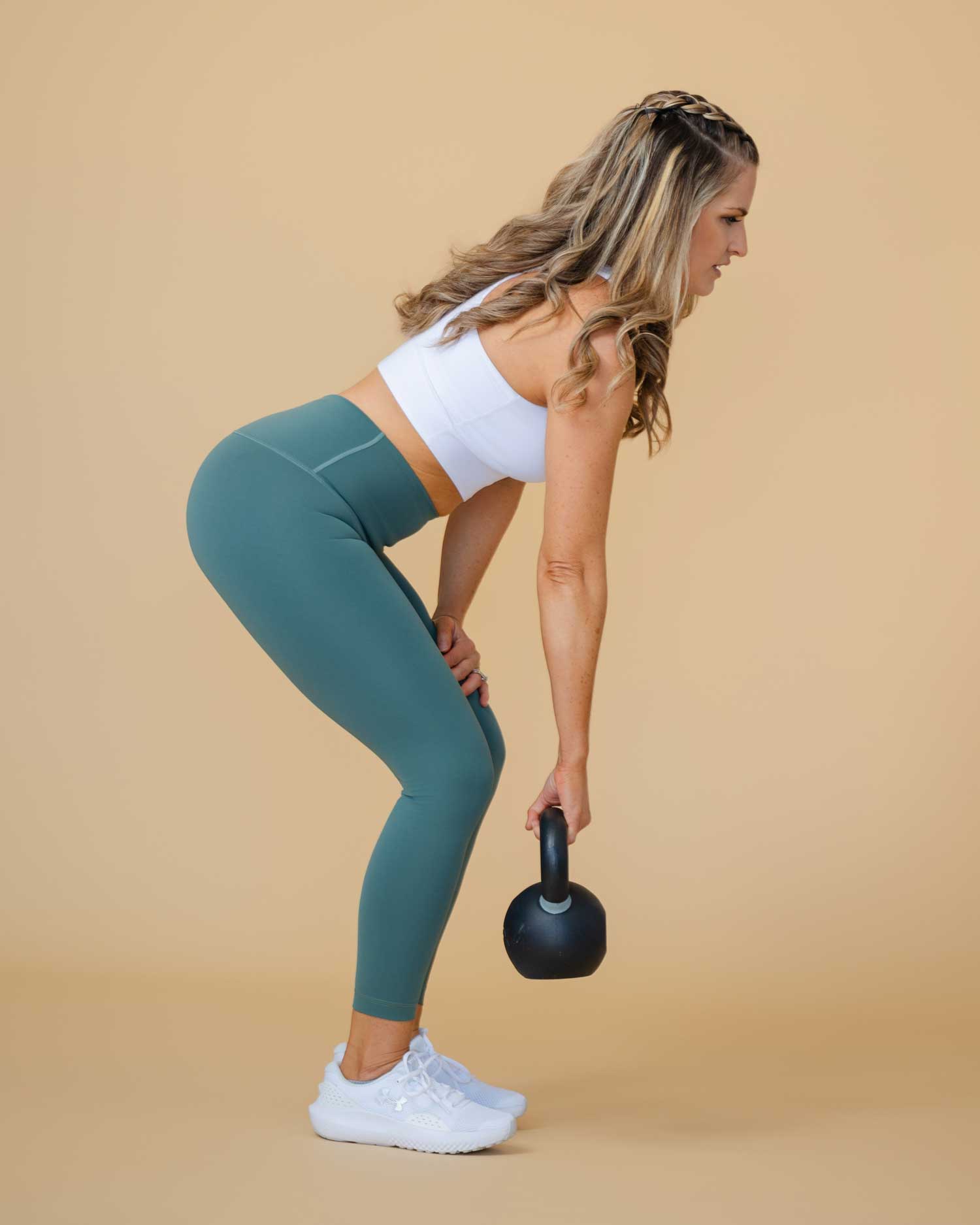
If you’ve spent any time in the fitness world lately, especially in spaces focused on women’s health, perimenopause, or strength training over 40, you’ve probably heard the phrase progressive overload over and over again. I talk about it in my videos and programs, and the term is trending all over social media. We know it’s important, but what exactly is it?
It sounds technical, but the concept is actually simple: your body changes when you gradually ask it to do a little more over time.
That “little more” is what creates strength, muscle, resilience, and long-term health benefits.
And for women — especially during perimenopause, menopause, and as we age — it matters more than ever.
What exactly is Progressive Overload?
Progressive overload is the process of gradually increasing the demands placed on your body during exercise so your muscles, bones, and nervous system continue to adapt and grow stronger.
Your body is incredibly smart. It adapts to the stress you place on it. My son came into the world at just under 7 pounds, but as the weeks and months went on, he kept growing and getting heavier, and my body kept adapting. My body didn’t struggle (well, sometimes!) holding a 30 or 40-pound toddler because it had adapted to the many hours and days I’d picked him up.
We progressively overload with examples like this in daily life, which is why it’s extra important to do in our workouts.
If you always lift the same weights, do the same workouts, and challenge your body in the same way forever, eventually your body has no reason to change. And of course, that’s not to say that that same workout isn’t providing benefits— you know I’m the first to say all movement is good movement— but it’s not challenging or changing your body in the way that it could without a reason to change.
Progressive overload creates that reason.
In strength training, that might look like:
- Lifting a slightly heavier weight
- Doing more repetitions
- Adding another set
- Slowing down the movement for more control
- Improving form and range of motion
- Increasing workout intensity over time
- Reducing rest periods strategically
The goal is not to destroy your body every workout. The goal is a consistent, manageable progression.
Think of it like teaching your body a new skill. Tiny improvements, repeated consistently, create major results over time.
Why Is Progressive Overload So Important for Women?
For years, many women were taught that fitness meant:
- More cardio
- More sweating
- Burning calories
- Getting smaller
Now the conversation is shifting toward:
- Building muscle
- Being strong
- Preserving bone density
- Supporting metabolism
- Improving longevity
- Aging well
- Maintaining independence and strength
That’s where progressive overload becomes incredibly important. Muscle does not appear by accident. Your body needs a reason to build it. And women especially benefit from strength training because muscle supports nearly every aspect of healthy aging.
Progressive overload is also crucial for body recomposition and fat loss. Yes, it’s okay if you still have goals to see changes in your body— I’m here to support that (even though I want strength to be your focus!). We now know so much more about how our bodies respond to exercise and what creates change, spoiler, it’s not the cardio! Strength training, creating stress with weight, and progressive overload are not only going to build muscle; they’re the driving force behind your metabolism and the thing that will truly shape and sculpt your physique.
Why It Matters Even More in Perimenopause and Menopause
During perimenopause and menopause, estrogen levels begin to fluctuate and decline.
Estrogen affects far more than reproduction. It also plays a role in:
- Muscle maintenance
- Bone density
- Recovery
- Insulin sensitivity
- Fat distribution
- Energy levels
As estrogen declines, women naturally become more susceptible to:
- Muscle loss
- Increased abdominal fat
- Bone density loss
- Slower metabolism
- Reduced strength
- Higher risk of injury
This is why so many experts now emphasize resistance training and progressive overload for women over 40. This is why lifting heavy is all over your social media feed. This is why trainers like me are telling you to get off the treadmill and onto the weight bench.
As we age, strength training becomes less about aesthetics and more about protection.
Building and maintaining muscle can help:
- Support metabolism
- Improve blood sugar regulation.
- Protect bones
- Improve posture and balance.
- Reduce injury risk
- Increase energy
- Maintain independence as we age.
The truth is that muscle is one of the biggest predictors of healthy aging. And progressive overload is how we build and preserve it.
What Counts as Progressive Overload?
Many people assume progressive overload only means lifting heavier weights.
As I demonstrated on social media and in my many workout videos, that’s one option — but not the only one. There are many different ways to progressively challenge the body.
1. Increasing Weight
This is the most well-known method.
Example:
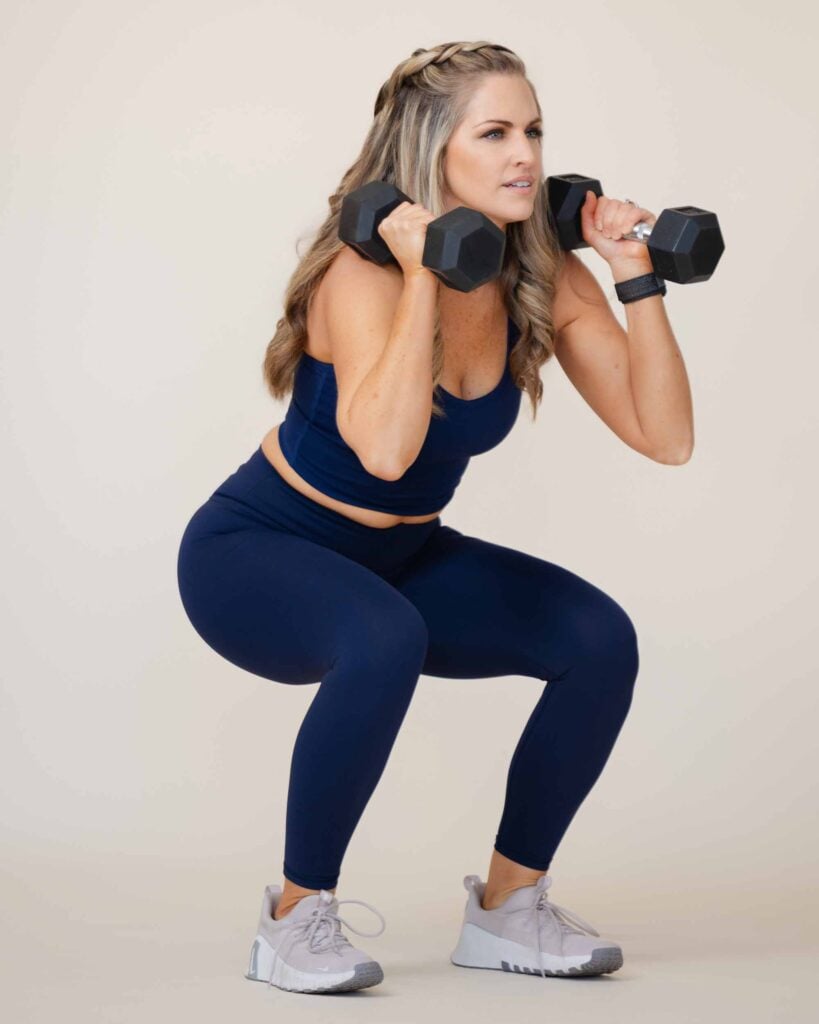
- Week 1: Dumbbell squats with 15 pounds
- Week 4: Dumbbell squats with 20 pounds
Your muscles adapt because the challenge increases.
2. Increasing Repetitions
You can also overload by doing more reps with the same weight.
Example:
- Week 1: 8 reps
- Week 3: 12 reps
More work = more adaptation.
3. Increasing Sets
Adding another round or set increases total training volume.
Example:
- Moving from 2 sets to 3 sets
4. Improving Time Under Tension (TUT)
Slowing movements down creates more muscular demand.
Example:
- Tempo training (slower reps)
- Pausing or holding (Isometric training)
- Adding resistance bands to load
This improves strength and control.
5. Improving Form and Range of Motion
Better movement quality is also a progression. I often remind you in workouts that I’d rather you get 2 reps with great form than 20 reps with compromised form or limited range of motion. Quality over quantity, always.
A deeper squat, stronger core engagement, or improved stability all count as overload because your body is working more effectively.
6. Increasing Workout Frequency
Sometimes progression means training consistently instead of sporadically.
Going from:
- 1 workout per week
- to
- 3 intentional strength sessions weekly
…is progressive overload too.
Why Random Workouts Don’t Deliver the Same Results
This is one of the biggest misconceptions in fitness. Many women work incredibly hard — but struggle to see results because their workouts are random.
One day, it’s a boot camp.
The next day it’s Pilates.
Then a HIIT workout.
Then a long walk.
Then a random video.
Movement is always valuable. But random workouts make it difficult to consistently apply progressive overload. You’re not inconsistent, you’re not lazy, you just need a plan.
Your Body Needs Repeated Signals
If your exercises constantly change, your body never gets enough repeated exposure to adapt efficiently.
A good training program is structured intentionally:
- Exercises are repeated strategically.
- Progressions are planned
- Volume and intensity are managed.
- Recovery is considered
- Strength builds week after week.
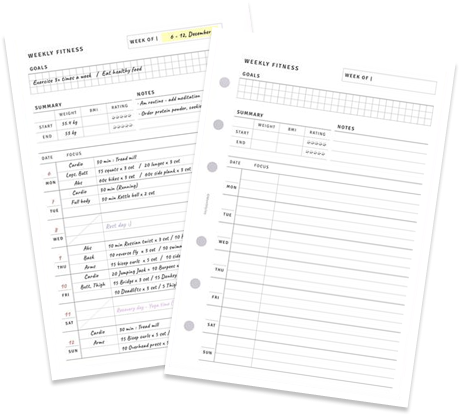
A program allows you to measure progress.
Without structure, it’s hard to answer:
- Am I getting stronger?
- Am I lifting more?
- Am I improving endurance?
- Am I recovering well?
- Am I building muscle?
Random workouts often create fatigue. Progressive training creates adaptation. Adaptation creates results.
Progressive Overload Is Not About Punishment
One reason progressive overload resonates with so many women right now is that it shifts the focus away from punishment-based exercise.
Instead of:
- Burning off food
- Chasing exhaustion
- Doing endless cardio
- Trying to shrink the body
…it focuses on building strength and resilience.
The goal becomes:
- Getting strong!
- Supporting your body
- Building capability
- Improving quality of life
- Improving mental health
- Feeling strong and energized
- Confidence
- Aging well
That mindset shift isn’t always easy in the diet culture-focused world of fitness, but it can be incredibly empowering when we get there.
The Bottom Line
Progressive overload is simply the practice of gradually challenging your body, so it continues to grow stronger over time.
For women — especially those over 40 or navigating perimenopause and menopause — it’s one of the most effective ways to:
- Build and preserve muscle.
- Protect bone health
- Support metabolism
- Improve longevity
- Maintain strength and independence.
And while random workouts can absolutely support movement and mental health, a structured program creates the consistency needed for real physical adaptation.
You don’t have to work out every single day or move until you’re exhausted. You don’t need extremes or high-intensity, lengthy programs. You just need a plan that allows your body to progress over time.
That’s the power of progressive overload.
Leave a comment
I love this! This is what I am looking for. Is there a simple “progressive overload” dedicated workout series, that can be repeated a few times a week allowing progression with weights to build muscle and bone and metabolic health?
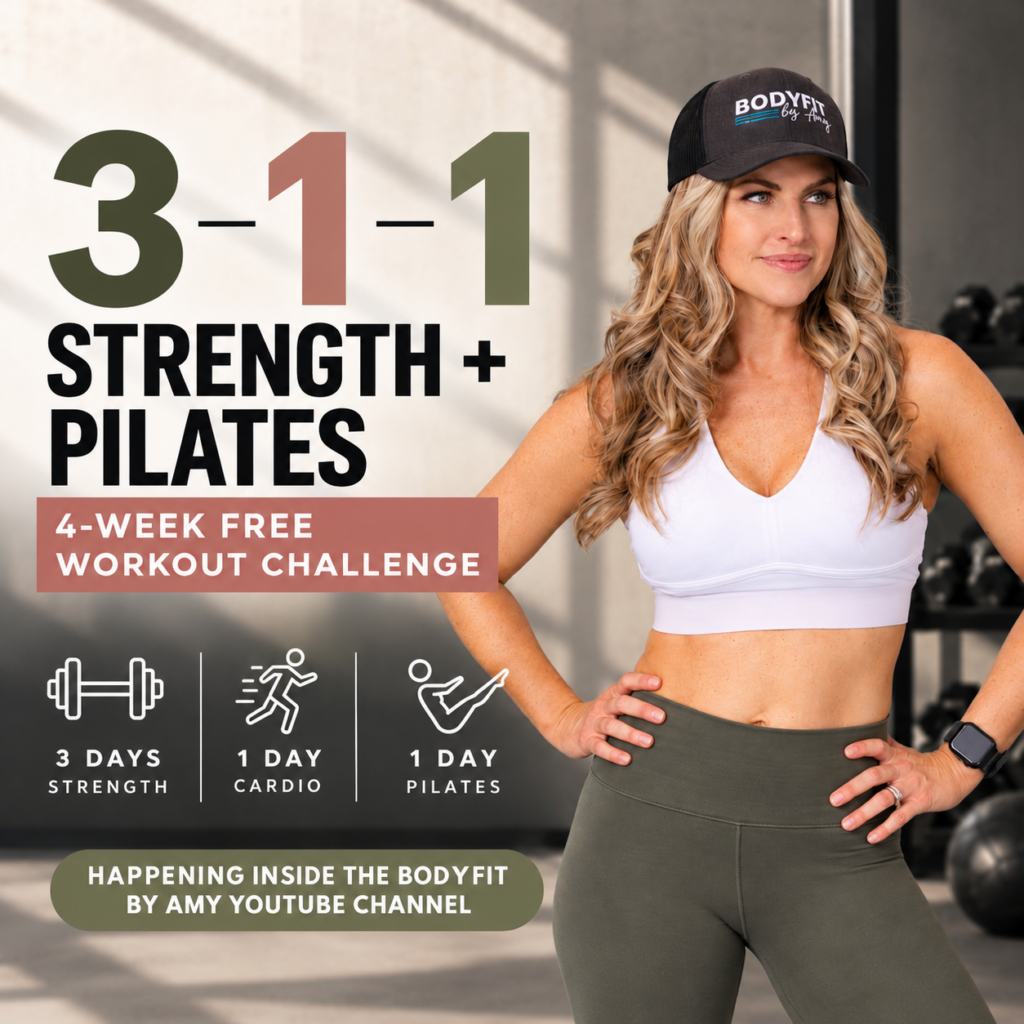
Yes! The STRONG series we start June 1st is exactly this! Join us in the BodyFit Athletic Club : studio.bodyfitbyamy.com