


Peptides are everywhere right now.
It seems like every week there’s another podcast episode, TikTok video, wellness clinic ad, or influencer testimonial talking about peptides for fat loss, muscle growth, recovery, gut health, anti-aging, hormones, sleep, inflammation… basically everything except folding your laundry and answering your emails (darn!).
And listen, I get it.
The claims are definitely captivating. I understand the appeal. But when something starts sounding a little too perfect and suspiciously capable of fixing every problem known to mankind, it’s fair to put on our skeptical glasses and start asking questions.
Recently, I came across an influencer recruiting people to sell peptides. The pitch? Peptide sales helped pay for an expensive all-inclusive vacation in Greece. There was also no shortage of bikini photos, with plenty of credit given to peptides for the dream “vacation body.”
And hey, apparently that could be you, too.
Picture it: overlooking the Greek ocean, lounging in your private plunge pool, perfectly bronzed, glutes gluting exactly as Instagram intended, living your best life…
All you have to do is drink the Kool-Aid and recruit others to do the same.
Now… could years of training, nutrition, genetics, financial resources, editing, posing, lighting, maybe some cosmetic procedures, and income from other sources have played a role?
No, no. Nooooo. Obviously not!
It was the peptides.
Duh.
I’m obviously being a little sassy here, but something became very clear very quickly: peptides have officially become the new “it” thing in wellness circles and, increasingly, the multilevel marketing world.
And because of that, people have questions. A lot of them.
What are peptides? Are they natural? Are they steroids? Are they hormones? Are they regulated? Are they safe? Are GLP-1 medications considered peptides? And should the average person even be thinking about them?
Let’s break it down.
What Are Peptides?
Peptides are short chains of amino acids, and amino acids are the building blocks of protein. More specifically, peptides are smaller strings of amino acids linked together by peptide bonds. I know… for my non-biochemistry people, that explanation may not feel especially helpful yet.
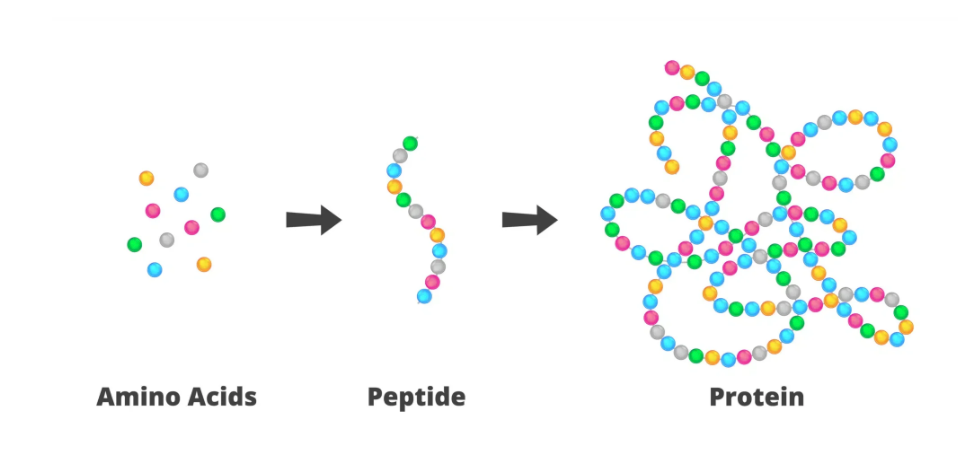
The easier way to think about peptides is this: Peptides are messengers or signaling molecules. They help communicate instructions throughout the body related to things like hormone signaling, immune function, tissue repair, appetite regulation, inflammation, and more.
Basically, peptides are bossy little gremlins (lol) that run around the body delivering specific instructions:
- “Hey stomach, ease up on the hunger signals.”
- “Hey, immune system, pay attention over there.”
- “Hey tissue, let’s work on repair.”
- “Hey, body, release this.”
- “Hey, body, reduce that.”
Biologically speaking, it is a bit more complex than that, but in basic terms, that’s what peptides do.
Are Peptides Natural?
Yes. The human body contains over 7,000 known naturally occurring peptides, so to answer one of the biggest questions I get:
Yes, peptides are natural.
Your body naturally produces many peptides involved in things like hormone regulation, appetite control, immune function, healing, and tissue repair.
But…
Just because your body produces peptides naturally does not mean every peptide being promoted online automatically falls into the “natural and safe” category.
Peptides come from the inside…and the outside
Peptides can be made by the body, and they can also come from outside the body.
Endogenous peptides
These are peptides made inside the body.
Insulin is an example of an endogenous peptide hormone because your body naturally produces it.
Exogenous peptides
These come from outside the body.
Examples include peptides from:
- Foods
- Medications
- Supplements
- Cosmetics
- Synthetic compounds designed to mimic naturally occurring peptides
And this distinction matters.
Because:
“Your body naturally makes peptides” is NOT the same thing as “injecting a peptide you bought online is automatically safe.”
Are peptides new?
The injectable peptide conversation feels very new, but peptides themselves are definitely not.
Many people have been taking peptides for years without realizing it. Collagen supplements, which have been buzzy for a while, are essentially broken-down collagen proteins called peptides.
Peptides also naturally occur in foods containing protein because proteins are built from amino acids. During digestion, proteins are broken down into smaller pieces, including peptides.
Examples include:
- Collagen peptides from collagen supplements and gelatin
- Casein-derived peptides from dairy products
- Soy peptides found in soy foods and soy protein products
- Bioactive peptides that can form during digestion of meats, fish, eggs, and dairy
So no, peptides are not new. The current wellness obsession with injectable peptides is what’s new.
And there’s a pretty big difference between adding collagen peptides to your morning coffee and injecting a liquid into your body that you purchased online.
Are Peptides Steroids or Hormones?
Peptides are not the same thing as steroids.
Steroids often work by directly supplying or mimicking hormones.
Peptides typically work more like signals, telling the body to do more or less of something it already knows how to do.
Some peptides can act as hormones or influence hormone activity.
For example:
- Insulin is a peptide hormone
- GLP-1 is a peptide hormone involved in appetite, blood sugar regulation, and digestion
But not all peptides are hormones.
And not all peptides work the same way.
Why Is Everyone Suddenly Talking About Peptides?
There are two big reasons peptides exploded in popularity.
GLP-1 medications brought peptides into the mainstream
GLP-1 stands for Glucagon-Like Peptide-1.
Medications like:
- Ozempic
- Wegovy
- Mounjaro
- Zepbound
are often talked about as “weight loss drugs” or “diabetes medications.”
But they are also peptide-based medications.
They work by mimicking or activating pathways involved in appetite regulation, blood sugar control, and digestion.
Wegovy and Zepbound are FDA-approved for chronic weight management.
Ozempic and Mounjaro are FDA-approved for type 2 diabetes.
Biohacking and longevity culture went all in
There’s been an increase in interest in longevity and aging well. The longevity, optimization, and performance worlds absolutely latched onto peptides.
Now you hear people talking about peptides for:
- Recovery
- Injury healing
- Anti-aging
- Gut health
- Body composition
- Muscle support
- Sleep
- Inflammation
Does peptide production naturally decline as we age?
Yes, it does. At least for some peptides and peptide-related signaling pathways.
As we age, the production and activity of certain hormones, growth factors, collagen, and signaling molecules can decline. This is one reason peptides have become so popular in the longevity and “aging well” space.
The idea is essentially: “If certain peptides naturally decline with age, could replenishing them help maintain recovery, performance, body composition, or healthy aging?”
That is where much of the excitement comes from. The challenge is that enthusiasm has moved faster than the research for many peptides.
- Some have promising data.
- Some have mostly animal studies.
- Some have very little long-term human evidence.
- And some are already well established in medicine.
So while age-related decline is real, the leap from “this declines with age” to “everyone should take this peptide” is much bigger than social media sometimes makes it seem.
Are all peptides the same?
No. There’s a common misconception that choosing any peptide will work for just about anything, and that’s just not the case.
Think of it this way: chemotherapy and ibuprofen are both medicines, but just because they are medicines does not make them the same.
Taking chemotherapy for a headache would not be appropriate, and it would not help your pounding head. Just like how ibuprofen would do nothing to treat cancer.
They are both medicines, yes, but they have very different and specific roles.
It’s the same with peptides. BPC-157 is a peptide suited for injury recovery and tendon healing, while GLP-1 is a peptide suited for appetite regulation.
Are peptides considered drugs or medications?
This one gets confusing because the answer is: Sometimes yes. Sometimes no.
When it comes to peptides, there are basically three categories people need to understand:
- FDA-approved peptide medications – most regulated
- Compounded peptides – medium oversight
- Research-only peptides – sketch AF lol
FDA-approved peptide medications
Some peptides are FDA-approved medications that require a prescription and have gone through clinical trials and regulatory review. Examples include:
- Insulin
- Semaglutide (Ozempic, Wegovy)
- Tirzepatide (Mounjaro, Zepbound)
Compounded peptides
Some peptides may be prepared by compounding pharmacies under physician supervision.
Examples commonly discussed in wellness spaces include:
- BPC-157 (often promoted for injury recovery, tendon healing, inflammation, and gut health)
- CJC-1295 + Ipamorelin (commonly discussed for growth hormone signaling, recovery, sleep, and body composition)
- TB-500 (often promoted for tissue repair and recovery)
Compounded peptides sit somewhere in the middle between FDA-approved medications and random “research-only” products sold online.
These medications are prepared within regulated pharmacy environments and may follow quality standards such as:
- USP <797> for sterile compounding (important for injectable products)
- USP <795> for non-sterile compounding
Many clinicians (like myself) also look for:
- physician oversight
- third-party testing
- certificates of analysis (COA)
- sourcing transparency
- state-licensed pharmacies
That said, compounded medications are not the same thing as FDA-approved medications.
They do not go through the same approval process, large clinical trials, or standardized manufacturing review that FDA-approved drugs undergo.
Important point: even if a peptide becomes available through a compounding pharmacy, that does not automatically mean it is FDA-approved.
It simply means that a licensed pharmacy may compound it under certain conditions with a prescription.
Is this safer than buying peptides from a random website or from someone selling them on social media?
Generally speaking, yes.
A licensed pharmacy operating under medical supervision is very different from buying a vial from “Karen’s Wellness Empire LLC” because she promised it paid for her Greek vacation.
Research-only peptides
Then we have what I call the “internet mystery vial” category.
These are products labeled:
- For research purposes only.
- Not for human consumption.
These products are often marketed online as research compounds, wellness products, performance enhancers, or anti-aging tools.
Many peptides promoted for recovery, fat loss, anti-aging, performance, and optimization fall into this category and are not FDA-approved for those uses.
And this is where things can get messy.
Research-only products are not held to the same standards that people often assume. Depending on how they are sold, there may be limited oversight around manufacturing quality, purity, consistency, or dosing.
In other words: You are simply operating on trust.
And, I don’t know about you, but trust is not exactly my favorite quality-control system.
The FDA has specifically warned consumers against purchasing unapproved GLP-1 products marketed as “research use only” or “not for human consumption,” noting concerns around product quality and safety.
That warning matters beyond GLP-1s because the peptide world is full of products sold directly to consumers without the oversight many people assume exists.
Social media has made all of this feel very casual, but injecting something purchased from a random website is not casual; it deserves SERIOUS caution.
How To Approach Peptides More Safely
If you want to explore peptides, my recommendation is to ask yourself why.
- Why do you think you need peptides?
- What do you want them to do for you? Weight loss? Recovery? Cognition?
Now that you have identified your concerns, here’s what NOT to do. We are not going to take advice from:
- Social media comments
- fitness girlies or gym buddies
- random podcasts
- influencers earning commissions
- MLM sellers
- Reddit forums
Here’s what we will do. We are going to start with a qualified healthcare professional.
Let’s talk to the healthcare professionals about your issues and what peptides, if any, might be helpful.
Then, we need to ask questions:
- Is this peptide an FDA-approved medication?
- If not an FDA-approved medication, can the peptides be obtained from a licensed compounding pharmacy?
- What is this peptide being used for?
- What human evidence exists?
- What are the risks?
If peptides are being prescribed:
- Use licensed pharmacies
- Confirm physician oversight
- Avoid research-only products
- Ask about testing and sourcing
That said… before contemplating peptides, have you mastered the basics?
Wellness culture loves shortcuts. It loves hacks. And, it loves the idea that one product, one injection, one protocol, or one “secret” can fix everything.
And peptides are being marketed in that exact way right now.
But peptides do not replace the fundamentals: sleep, nutrition, movement, strength training, stress management, adequate protein, enough fiber, consistency, and actual medical care when needed.
If you are sleeping only 5 hours a night, barely eating enough, skipping meals, not strength training, chronically stressed, and struggling to maintain basic consistency, peptides are not the missing piece, my dear.
That does not mean peptides will never have a place in medicine or wellness. It means we need to stop trying to optimize a foundation that has not yet been built.
Bottom Line
Peptides are not magic. They are also not automatically a scam.
They are a large category of compounds with different mechanisms, evidence, risks, and uses.
Some peptide medications are FDA-approved and well-studied. Others are still experimental, poorly regulated, or being marketed far beyond the available research.
So before you buy into the hype, ask better questions:
- Who is recommending this?
- Are they qualified?
- Are they selling it?
- Is it FDA-approved?
- Is it being prescribed by a medical professional?
- Is it coming from a legitimate pharmacy?
- What evidence do we actually have in humans?
- What are the risks?
- And do I have the basics in place first?
Because when it comes to peptides, critical thinking matters.
Don’t confuse hype with evidence.
And please, please do not take medical advice from a random influencer trying to sell you a protocol, no matter how convincing they seem.








Leave a comment
Such an informative article! Thanks, Vivian!
Excellent science-based article. Well balanced and informative. Thanks!
Thank you for all the information and breaking it down!