

Apparently, turning 40 means you suddenly need approximately 37 new supplements. At least, that’s what social media would have you believe! 😂
From collagen and creatine to magnesium, vitamin D, and supplements promising to “balance your hormones,” the wellness industry has no shortage of products marketed to women in midlife.
Want stronger muscles? There’s a supplement for that. Better sleep? Take magnesium! Worried about wrinkles? Try collagen! Struggling with stubborn belly fat? Apparently, there’s a supplement for that, too.
But here’s the million-dollar question: Do you actually NEED any of these supplements, or are you just spending your hard-earned money?
As a Registered Dietitian Nutritionist (RDN), I’m not against supplements. In fact, certain supplements can be incredibly helpful! But I’m also a big believer in a food-first, supplement-second approach.
Let’s separate science from clever marketing!
Do Women Over 40 Really Need Supplements?
Turning 40 doesn’t automatically mean you need supplements. And neither does entering perimenopause or menopause!
However, certain changes during midlife can influence our nutritional needs. The goal isn’t to take more supplements. It’s to identify what your body actually needs.
What Changes During Perimenopause and Menopause?
A few things are worth paying attention to:
- Bone health: Declining estrogen levels during menopause can accelerate bone loss, increasing osteoporosis risk.
- Muscle health: Aging is associated with gradual losses in muscle mass and strength, making adequate protein and resistance training especially important.
- Iron needs: Heavy menstrual bleeding during perimenopause can increase iron-deficiency risk. After menopause, iron requirements generally decrease.
- Nutrient absorption: Certain medications and health conditions can affect nutrient absorption, including vitamin B12.
But remember: Just because a nutrient becomes more important doesn’t mean you need it in supplement form!
Do Supplements Actually Work?
Yes! But whether a supplement works depends on what you’re taking, why you’re taking it, and whether research supports its use.
For example, correcting an iron deficiency can improve your health, and creatine can support strength gains when combined with resistance training.
But taking extra vitamins and minerals when you’re already meeting your needs doesn’t necessarily make you healthier.
In fact, the U.S. Preventive Services Task Force found insufficient evidence that most vitamin and mineral supplements prevent cardiovascular disease or cancer in otherwise healthy adults.
The right supplement, for the right person, for the right reason, can absolutely be beneficial!
Which Supplements Are Worth Considering After 40?
Here’s a quick breakdown of some commonly discussed supplements and when they might make sense.
| Supplement | What You Should Know |
|---|---|
| Calcium + Vitamin D | Important for bone health. Supplements may help if you’re not meeting your needs or have specific medical indications. |
| Iron | Helpful for iron deficiency, particularly in cases of heavy menstrual bleeding. Don’t supplement blindly! |
| Vitamin B12 | Worth considering for vegans, certain medication users, and people with absorption issues. |
| Magnesium | Essential for muscle, nerve, and bone health. Not a proven cure for menopause symptoms or sleep problems. |
| Omega-3s | Consider if you rarely eat fish. Routine fish oil supplementation isn’t necessary for everyone. |
| Creatine | Strong evidence for exercise performance and strength, especially when combined with resistance training. |
| Protein Powder | Convenient if you struggle to meet protein needs through food. Not required! |
And what about collagen, probiotics, and multivitamins? They may have specific uses, but none is universally necessary for healthy aging.
What About Supplements That Promise to “Balance Your Hormones”?
Oh, we need to talk about these! 👀
From menopause belly-fat burners to hormone-balancing blends, the marketing is convincing. Unfortunately, the science often isn’t.
Some ingredients have been studied for menopause symptoms, but evidence varies, and many products make claims that go far beyond the research.
Be especially skeptical of supplements promising to balance hormones, reverse aging, or melt menopause belly fat.
And remember, “natural” doesn’t automatically mean safe!
Before Buying a Supplement, Ask Yourself These Questions
1. What do I want this supplement to do? Is there good research supporting that benefit?
2. Do I actually need it? Consider your diet, health history, medications, and whether testing is appropriate.
3. Is it high-quality? Look for independent third-party certifications such as USP Verified or NSF Certified. These provide additional quality assurance but don’t guarantee effectiveness or safety for everyone.
4. Is it safe for me? Supplements can interact with medications, and more isn’t always better. Check with your healthcare provider or RDN when appropriate.
The Bottom Line
You don’t need a cabinet full of supplements to be healthy, strong, and thriving in midlife!
Prioritize nutritious foods, adequate protein, strength training, quality sleep, and sustainable habits.
And when supplements make sense? Great! Use them strategically.
Because the best supplement routine isn’t the one with the most products. It’s the one that meets YOUR individual needs.
Want More Support Navigating Midlife? 💪
Looking for more guidance on nutrition, supplements, and feeling your best during perimenopause, menopause, and beyond?
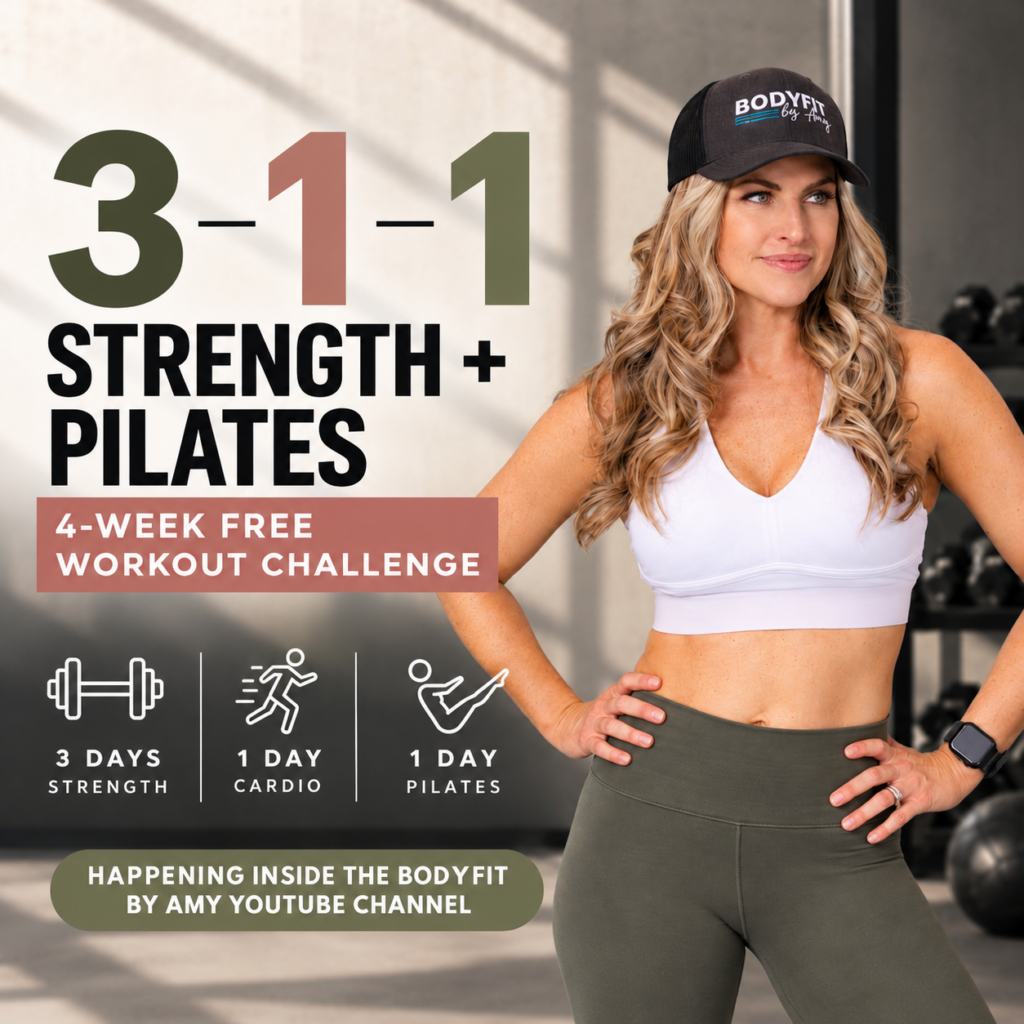
Join us in the BodyFit Athletic Club (BAC)! As a member, you’ll get access to my Ultimate Menopause Supplement Guide, including evidence-based recommendations and specific products worth considering, plus our Menopause Nutrition Guide, Meal Plan, and strength-focused workouts designed to help you build muscle, support your health, and feel strong through midlife and beyond!
Because navigating midlife doesn’t have to be complicated, and you certainly don’t have to figure it all out on your own! 💪





Leave a Reply